
Full-arch implants in Astoria
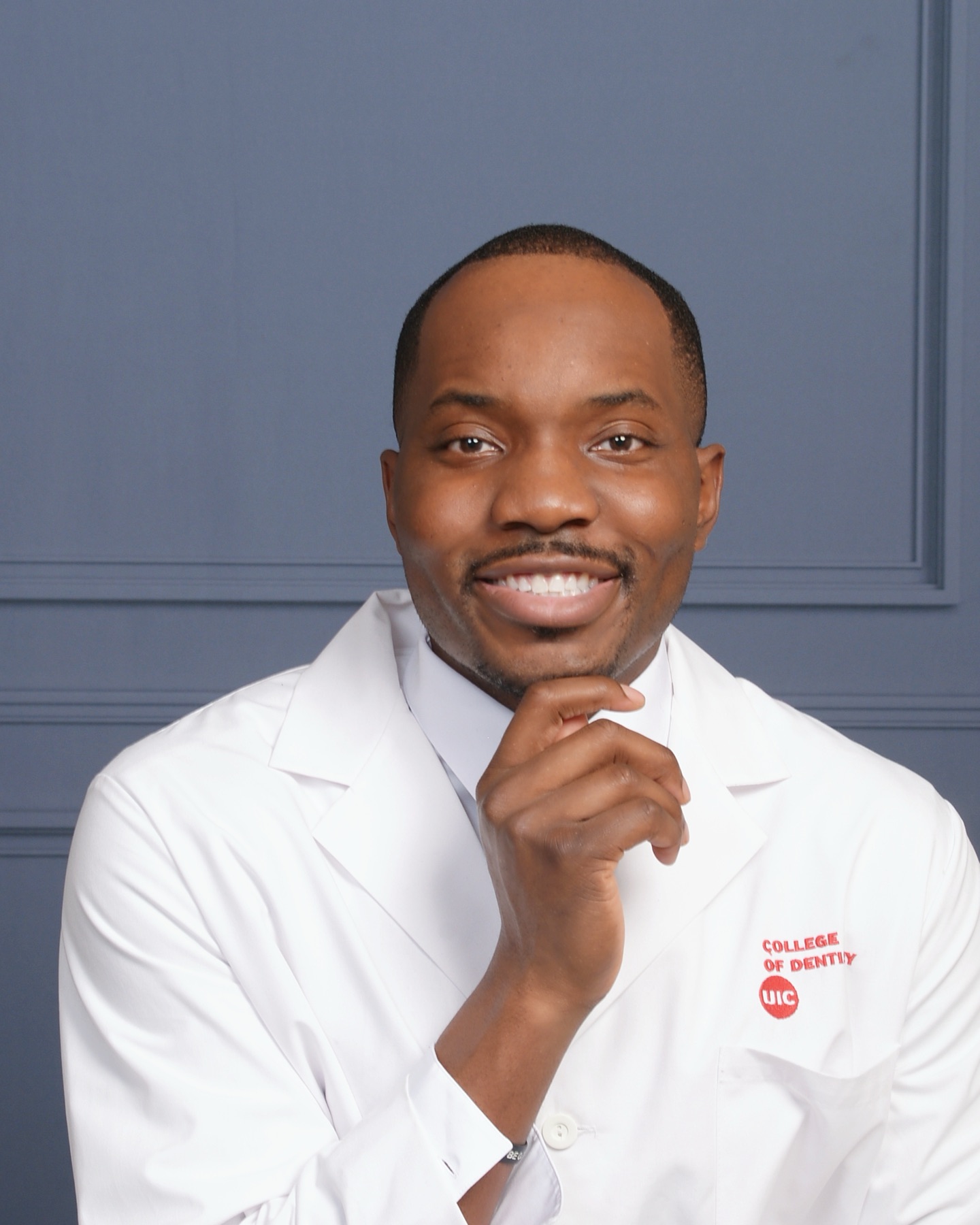
A full row of fixed teeth, secured on as few as four implants. For many patients, temporary teeth go in on the same day as surgery. It's an option for people with many failing teeth, or anyone ready to stop living with loose dentures. Dr. Bryant Ukaigwe, DMD, trained in full-arch treatment at the ILAPEO full-arch implant center and performs the surgery himself.
Full-arch implants, explained
Instead of replacing teeth one at a time, a full-arch restoration replaces an entire upper or lower row with a single bridge of teeth attached to implants.
Implants in the back of the jaw can often be angled to make the most of the bone you have, which may reduce the need for bone grafting. The teeth are fixed in place. You don't take them out at night; only your dentist can remove them.
Planning starts with a 3D CBCT scan taken in our Astoria office, so you can see your own jaw on screen while Dr. B explains where the implants would go.
Full-arch implants may be for you if you
- Have many teeth that are broken, loose, or badly decayed
- Have been told most of your remaining teeth can't be saved
- Wear a full or partial denture that slips, rubs, or makes eating hard
- Avoid smiling or certain foods because of your teeth
- Want fixed teeth rather than something removable
Fixed full-arch teeth compared with dentures
A general comparison to help frame your consultation.
| Consideration | Fixed full-arch implants | Implant-supported snap-on denture | Traditional denture |
|---|---|---|---|
| Stays in place | Fixed; doesn't come out | Clips onto implants; removed to clean | Held by suction or adhesive |
| Roof of the mouth | Uncovered | Upper can often be open | Upper covers the palate |
| Eating | Closest to natural teeth | Much steadier than a denture | Can slip with harder foods |
| Jawbone | Implants help maintain bone | Implants help maintain bone | Bone shrinks over time; relines needed |
| Upfront cost | Highest | Moderate | Lowest |
General patient information, not a diagnosis. Not everyone is a candidate for same-day teeth.
The full-arch process
From first visit to final teeth usually takes several months. Most of that time is healing, while you wear temporary fixed teeth.
Consultation and 3D imaging
A full exam, photos, and a 3D CBCT scan of your jaw, taken in our office. Dr. B reviews your medical history and what you want from your new smile.
Planning your new teeth
Implant positions are planned from your scan, and your temporary teeth are designed: their shape, length, and shade. You get a written plan with costs and timeline.
Surgery day
Dr. B removes the remaining failing teeth and places the implants himself. The area is numbed with local anesthetic; nitrous oxide (laughing gas) and conscious oral sedation are available for many patients, and he will tell you beforehand which options fit your health history and this surgery.
Temporary fixed teeth
When the implants are stable enough, a lightweight set of fixed teeth is attached, often the same day. If they aren't stable enough, Dr. B will explain the alternative.
Healing
Over the next few months, the implants bond with the bone. You'll follow a soft-food diet at first and come in for check-ups.
Your final teeth
Once healing is complete, your permanent full-arch bridge is made and fitted, with adjustments for comfort and bite.
If surgery day is what's stopping you
Most people considering full-arch treatment have had a long, discouraging history with their teeth. Dr. B's practice is built around patients with dental anxiety and dental phobias, and full-arch cases are where that matters most.
Tell us when you book, and the visit is planned around it.
- Nothing is a surprise. Before surgery day you have seen your scan, the planned implant positions, and the shape of your temporary teeth.
- One dentist, start to finish. Dr. B plans the case, does the surgery, and fits your final teeth, so you are not repeating your story to a new office each step.
- Sedation options. Nitrous oxide, often called laughing gas, and conscious oral sedation are available for many procedures, alongside the local anesthetic that numbs the area. Whether either is appropriate for you depends on your health history and the surgery planned, so it is discussed at your consultation.
- Aftercare you can reach. You leave with written aftercare instructions, and the office is a phone call away if something doesn't feel right.
What recovery is usually like
Everyone heals differently. Here's what many patients experience. Dr. B will give you instructions for your own case.
- The first few days. Swelling, some bruising, and soreness are common and usually peak around day two or three. Rest and cold compresses help.
- The first weeks. A liquid and then soft-food diet protects the healing implants. Chewing hard foods too early can put the implants at risk.
- Getting used to your teeth. Speech and bite can feel different at first. Most people adjust within a few weeks.
- Long term. Brushing, cleaning under the bridge, and regular professional checkups keep the implants and gums healthy.
Cost and financing for full-arch implants
Full-arch treatment is a significant investment, and the cost depends on whether you're treating one arch or both, how many extractions you need, and the material of your final teeth.
You'll get a clear written estimate after your consultation, before you commit to anything. We accept most PPO insurance plans and verify your benefits first, and financing is available so many patients pay in monthly installments.
Ask us about
- Monthly payment plans through CareCredit, Cherry, Alphaeon Credit, and LendingTree
- What your PPO plan covers — we verify your benefits before treatment
- Using HSA or FSA funds
- Treating one arch now and the other later, if that fits better
Full-arch implant questions
Have a question not listed here? Call (347) 566-8816.
Can I really get teeth in one day?
Many patients leave surgery day with temporary fixed teeth. It depends on how firmly the implants are anchored when they're placed. Your final, permanent teeth come a few months later, after healing. Dr. B will tell you at your consultation whether same-day teeth are likely for you.
I've worn dentures for years. Is it too late?
Not necessarily. Long-term denture wear can lead to bone loss, but angled implants or bone grafting may still make fixed teeth possible. A 3D scan will show how much bone you have.
How is this different from getting individual implants?
Individual implants each hold one tooth. A full-arch restoration uses a small number of implants, often four to six, to hold a complete row of teeth. It's usually more practical when most or all teeth in an arch need replacing. Learn about single dental implants.
Will I be awake during surgery?
The area is always numbed with local anesthetic. Beyond that, nitrous oxide (laughing gas) and conscious oral sedation are available for many patients. Not every patient or procedure is suited to sedation, so Dr. B reviews your medical history and the plan with you first and tells you which options apply to your case.
Who does the surgery?
Dr. B does. He plans the case from the in-office 3D CBCT scan, performs the extractions and implant placement himself, and fits both your temporary and final teeth in the same practice. He trained in full-arch implant treatment at the ILAPEO full-arch implant center and has continued that training with Spear Education and Linkstone Implant Academy.
How long do full-arch implants last?
With good daily care and regular checkups, the implants can last many years. The teeth attached to them may need repair or replacement over time from normal wear.
What does full-arch treatment cost?
It varies with your needs, so we don't list a single price. After your consultation you'll get a written estimate, and financing through CareCredit, Cherry, Alphaeon Credit, or LendingTree is available.
See if full-arch implants are right for you
Book a consultation with Dr. B in Astoria. Bring your questions, and your current denture if you wear one.